
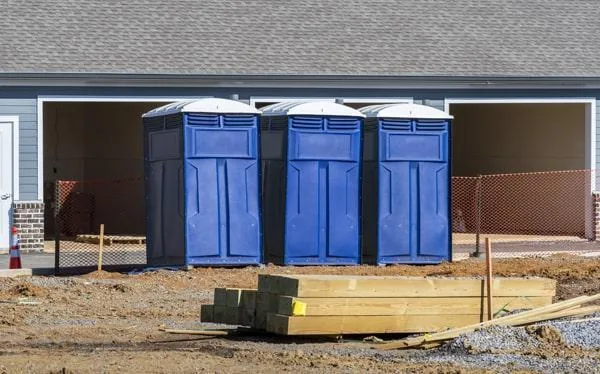
Select the facility and compare possible positions
Request the toilet, washing and accessible functions the crew needs, then identify possible places for that equipment. A convenient empty corner is not necessarily the position people can use throughout the job.
Compare the users’ approach, the standing area and the provider’s access at each practical location. Explain the site conditions to the rental contact and ask what the offered equipment requires; do not use an unrelated model’s dimensions as the specification.
Separate the standing area from the approach
The equipment needs an appropriate place to remain, while people and service vehicles need routes to reach it. A clear entrance does not resolve a poor standing area, and an open standing area does not resolve a blocked delivery route.
Describe ground conditions, gates, turns and overhead restrictions. Identify any work or material storage that may affect those areas. Ask the property contact and provider to resolve the proposed arrangement before delivery.
Give the receiver an agreed location
Tell the receiving contact which units are expected and where they have been arranged to stand. Keep the approach clear at the agreed time. If circumstances change, contact the provider rather than directing equipment to an unreviewed substitute spot.
Check that workers can reach the facilities without treating the equipment area as part of an active storage or vehicle operation. Include washing and accessible approach requirements in that coordination.
Keep the position workable after arrival
Service visits need access for cleaning, replenishment and retained-waste removal. Changes to fencing, parked equipment or materials should not silently remove that access.
Request any relocation through the provider rather than moving the units with site machinery. Confirm collection with the rental contact and leave the agreed route available until equipment has been removed.